
What the research actually says about sleeping better
Most sleep advice online is either a shrug ("try a warm bath") or a sales pitch. These guides sit in between: what the studies found, what they did not find, and what that means for the bottle in your hand tonight.
Why sleep breaks

It happens at the same hour because the two things setting it are clocks. What cortisol, blood sugar and body temperature are doing at that point, and why everything sold for falling asleep misses it entirely.
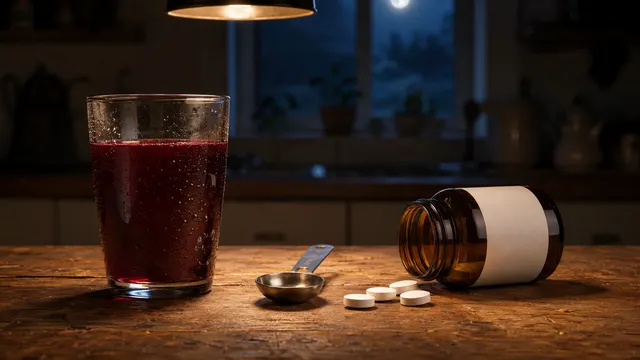
3 mg, then 5, then 10, and the mornings get worse while the nights stay the same. The dose with the best evidence behind it is the one that is hardest to buy.
Supplements, examined
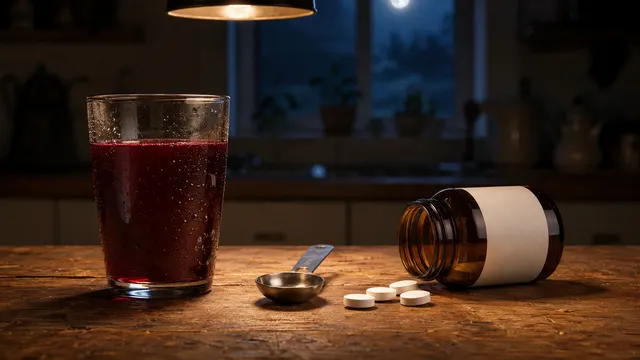
Short answer: yes, and the numbers are less alarming than they sound. A full day of tart cherry juice carries about 0.085 mg of melatonin. A standard pill carries 1-5 mg. Here is what that gap means in practice.
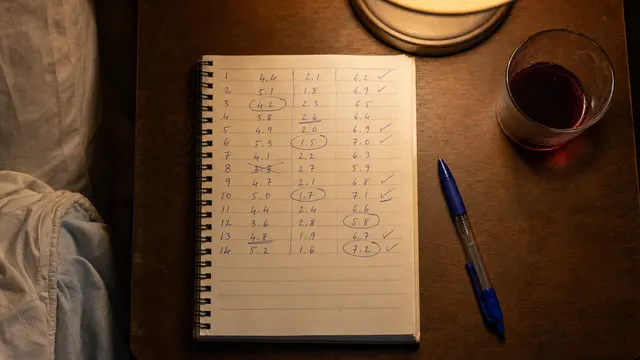
Not the first night, for most people. The studies that found an effect ran seven days, fourteen days, and longer. That gap between expectation and evidence is why most people quit before it does anything.
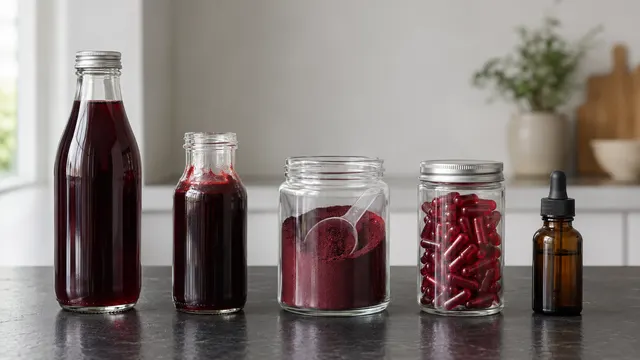
Juice, concentrate, powder, capsule, liquid drops. They are not the same product at different prices. They differ in dose consistency, sugar load, and how much liquid you have to drink before bed.

Who writes this. I spent eighteen years as a market research analyst, which mostly meant working out how much of someone else's research was real. I turned that on the sleep aisle after six months of taking ten times the melatonin dose the evidence supports, because nobody had told me otherwise.
How I handle uncertainty. Sleep research is full of small studies with mixed results. Where the evidence is thin, I say so. Where a well-run trial found nothing, that is in the guide too. More about the method.